
Struggling to lose weight despite eating well and exercising consistently? This often leads to emotional and mental frustration. Many people experience this, and it often has far more to do with internal health than willpower.
Weight loss generally occurs when you burn more calories than you consume. However, factors such as age, muscle mass, hormones, and overall metabolic rate can affect how efficiently your body uses energy, which explains why many people find themselves working out but not losing weight.
85%
Studies suggest that approximately 85% of people experience a weight-loss plateau, despite following an appropriate exercise and diet plan.
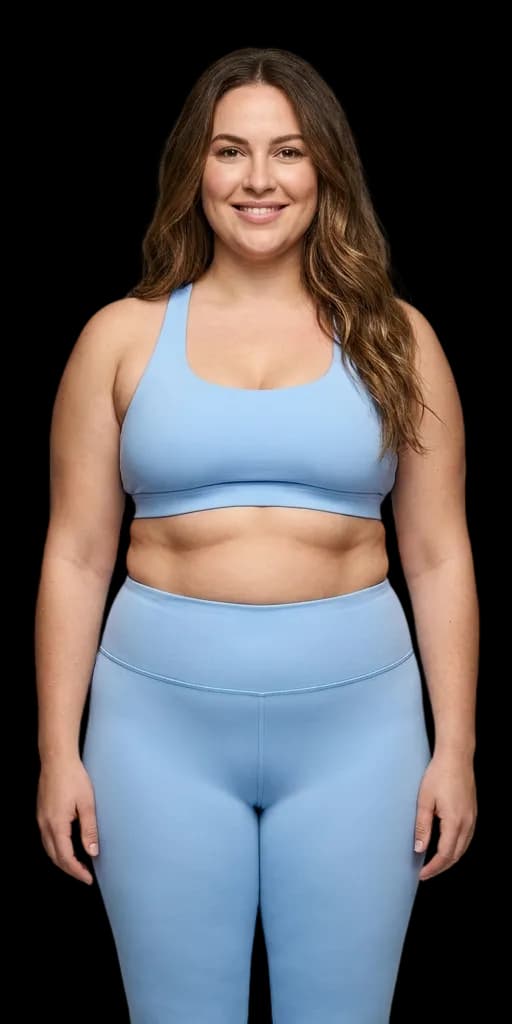
A common question arises: if everything seems right, why isn’t the scale moving? If you have the same query, then you’re not alone. In this guide, we’ll be offering some hidden reasons and alternatives that could be helpful for your weight-loss goals.
9 Common Reasons You’re Not Losing Weight
Understanding the obstacles is the first step to overcoming them
Start Your Weight Loss JourneyUnderestimating Calorie Intake
You may snack without noticing, eat large portions, or choose high-calorie foods. This isn’t a failure on your part; it’s simply how human eating patterns work.
Slow Metabolism
If you’re suffering from hypometabolism, you may struggle. There can be multiple reasons for this, such as age, low muscle mass, and long-term dieting.
Chronic Stress
Chronic stress raises cortisol levels, which can influence appetite, cravings, sleep quality, and how your body regulates energy.
Medical Conditions
Thyroid disorders, diabetes, metabolic syndrome, and sleep apnea can significantly affect weight loss. Identifying these requires proper medical evaluation.
Poor Sleep Routine
Not following an appropriate sleep routine can disrupt hunger hormones and reduce your energy for workouts.
Medications That Promote Weight Gain
Certain medications such as antidepressants and steroids may promote weight gain.
Gut Health Issues
Poor digestion, bloating, or inflammation can be another weight gain reason.
Incorrect Exercise Balance
Overtraining or undertraining can affect recovery, hormones, and energy balance, making progress slower.
Water Retention / Inflammation
Water retention can be influenced by hormones, stress, and inflammation, which may temporarily mask fat loss.
You’ve seen the top reasons why weight loss can feel frustrating.
For those working out but not losing weight, it’s often helpful to consider alternative strategies that go beyond exercise alone.
9 Ways To Lose Weight Effectively
Science-backed strategies that actually work

Improve Calorie Accuracy
Track daily calorie intake to monitor portions and reduce hidden calories.
Protein-Rich Diet
Protein is your stay-full companion that helps reduce cravings and protects your muscles as you lose weight.
Strength Training
Maintain and build muscle, supporting a healthier metabolism and long-term weight stability.
Increase Daily Movement (NEAT)
Extra steps, standing breaks, and small daily motions gently increase your burn without feeling like exercise.
Prioritize Quality Sleep
Good sleep helps your hormones reset so your body can recover, burn fat, and feel ready for the next day.
Manage Stress
Simple relaxation habits like deep breathing can calm cortisol and make healthy choices easier.
Address Medical or Hormonal Issues
Getting labs and following a licensed doctor’s guidance can uncover issues making progress harder.
Consider Prescription Weight-Loss Medication
GLP-1 medications (Ozempic, Wegovy, Mounjaro, Zepbound) can be beneficial when prescribed by a licensed doctor.
Track Consistently and Adjust
Regular check-ins on habits and progress help you make small tweaks that keep results moving forward.
Working out and dieting but no weight loss?
Hidden metabolic or hormonal factors may be holding you back. Medically supervised GLP-1 medications can help restart progress when used under a doctor’s supervision.
Schedule Your Consultation NowDo You Know? Any medical evaluation whether in person or through telehealth must follow HIPAA standards, meaning your personal health information is kept private, encrypted, and protected.
Important Information: GLP-1 medications such as semaglutide and tirzepatide require doctor’s evaluation, including medical history, and ongoing monitoring. These medications should be used under a doctor’s supervision.
Conclusion
Sometimes weight loss doesn’t respond to diet and exercise alone, and that’s not a sign of failure; it’s simply a reminder that our bodies are complex and influenced by hormones, stress, sleep, medications, and genetics. Understanding what’s happening underneath the surface can make the journey feel far less confusing and a lot more compassionate.
With the right mix of strategies and guidance, progress is absolutely within reach. Give yourself permission to learn, adjust, and move at a pace that feels sustainable. You’re not behind, you’re not broken, you’re just figuring out what truly works for your body, and that’s where real change begins.
And, if you’re stuck, a licensed Ongo Weight Loss healthcare provider can help evaluate whether factors like hormones, metabolism, or medication side effects are affecting progress.
Frequently Asked Questions
Why am I Working Out But Not Losing Weight?
You may be working out but not losing weight because exercise alone doesn’t guarantee a calorie deficit. Muscle gain, water retention, poor sleep, stress, overeating, or metabolic adaptation can all mask fat loss. Nutrition, recovery, and consistency matter as much as workouts.
Why am I Eating Healthy and Exercising But Still Not Losing Weight?
Eating “healthy” doesn’t always mean you’re in a calorie deficit. Portion sizes, hidden calories, stress, poor sleep, water retention, muscle gain, or hormonal factors can all slow visible weight loss, even when diet and exercise feel consistent.
Is It Normal to See No Weight Loss After 3 Weeks of Exercise?
Yes. In the first 2 to 4 weeks, your body may retain water, build muscle, and adapt to exercise. Fat loss can be happening internally even if the scale doesn’t change yet. This early phase is normal and temporary.
Why am I in a Calorie Deficit But Not Losing Weight?
Weight may not drop despite a calorie deficit due to metabolic adaptation, inaccurate calorie tracking, water retention, stress hormones, or medical factors. Short-term stalls are common; consistent trends over several weeks matter more than daily scale changes.
Why Does Weight Loss Stop Even When I Do Everything Right?
Weight loss can stall due to metabolic adaptation, water retention, muscle gain, stress, poor sleep, or hormonal changes. As your body becomes more efficient, it burns fewer calories, making plateaus normal even with consistent diet and exercise.
Why am I Gaining Weight While Eating Less and Exercising More?
This can happen due to water retention, inflammation from workouts, increased muscle mass, inaccurate calorie tracking, or high stress hormones like cortisol. Short-term weight gain doesn’t always reflect fat gain.
Can Under-Eating Slow Down Weight Loss Progress?
Yes. Severe calorie restriction can slow metabolism, increase fatigue, elevate stress hormones, and reduce workout performance. This can stall fat loss and make weight loss harder over time, not easier.
Why Does Intermittent Fasting Cause Weight Gain for Some People?
Intermittent fasting can lead to weight gain if it triggers overeating during eating windows, poor food choices, or inconsistent calorie intake. For some people, fasting increases stress hormones like cortisol, disrupts sleep, or reduces daily activity, all of which can promote water retention and fat storage rather than fat loss.
Why am I Not Losing Weight on Keto After 3 Weeks?
You may not be losing weight on keto after 3 weeks due to excess calories from high-fat foods, water retention, hidden carbs, reduced activity, or metabolic adaptation. Stress, poor sleep, and hormonal factors can also delay fat loss. Early keto results vary, and stalls are common.
How Do Hormones Affect Weight Loss Despite Diet and Exercise?
Hormones regulate appetite, metabolism, fat storage, and energy use. Imbalances in insulin, cortisol, thyroid hormones, estrogen, or leptin can slow weight loss despite diet and exercise by increasing fat storage, hunger, water retention, or lowering calorie burn.
Can Stress and Cortisol Prevent Weight Loss?
Yes. Chronic stress raises cortisol, which can increase fat storage, cravings, and water retention while disrupting sleep and recovery. Elevated cortisol also affects insulin sensitivity and metabolism, making weight loss harder even with diet and exercise.
How Do I Know if I’m Losing Fat But Not Weight?
You may be losing fat but not weight if your measurements shrink, clothes fit looser, strength increases, or body composition improves while the scale stays the same. Muscle gain and water retention can offset fat loss on the scale, so track progress using photos, measurements, and trends over time.
Why Do Cravings Increase When Trying to Lose Weight?
Cravings often rise due to calorie restriction, blood sugar dips, poor sleep, stress, or low protein and fiber intake. Hormones like ghrelin increase hunger during weight loss, making cravings a common and normal response.
Why Does My Metabolism Feel Slow Even With Regular Workouts?
Your metabolism may slow due to metabolic adaptation, under-eating, muscle loss, stress, poor sleep, or repetitive workouts. As the body becomes efficient, it burns fewer calories, which can make weight loss feel harder over time.
What Medical Conditions Make Weight Loss Harder?
Medical conditions that can make weight loss harder include hypothyroidism, insulin resistance, PCOS, Cushing’s syndrome, menopause-related hormonal changes, and sleep disorders. These conditions can affect metabolism, appetite, fat storage, and energy levels, reducing weight loss even with proper diet and exercise.
Can Medications Prevent Weight Loss Even With a Healthy Lifestyle?
Yes. Some medications can slow weight loss despite a healthy lifestyle by increasing appetite, causing fluid retention, altering metabolism, or affecting insulin and hormones. Common examples include certain antidepressants, steroids, beta-blockers, antipsychotics, and hormonal medications. If weight gain occurs, a healthcare provider can review alternatives or adjustments.
Why Does Belly Fat Feel Harder to Lose Than Other Areas?
Belly fat is harder to lose because it’s strongly influenced by hormones like cortisol and insulin. Chronic stress, poor sleep, and insulin resistance promote fat storage around the abdomen. Genetics and blood flow differences also make abdominal fat more resistant to loss than other areas.
Is it Possible to Lose Weight Without Seeing Changes on the Scale?
Yes. Fat loss can occur without scale changes due to muscle gain, water retention, or body recomposition. Improvements in measurements, clothing fit, strength, and body shape often indicate progress even when scale weight stays the same.
When Should I Consider Medical Weight Loss Support?
You may consider medical weight loss support if you’ve followed a consistent diet and exercise for several months without results, have obesity-related health conditions, hormonal issues, or experience repeated plateaus that affect health or quality of life.
Can GLP-1 Medications Help When Diet and Exercise Aren’t Working?
Yes. GLP-1 medications may support weight loss by reducing appetite, improving blood sugar control, and helping regulate hunger hormones. They’re typically used alongside lifestyle changes under medical supervision, not as a replacement for healthy habits.
Why Does Weight Loss Become Harder as I Get Older?
Weight loss slows with age due to muscle loss, hormonal changes, lower metabolism, reduced activity, and slower recovery. These factors decrease calorie burn and increase fat storage, even with similar eating and exercise habits.
How Much Weight Loss is Realistic Per Week?
A healthy, sustainable rate is about 0.5 to 1 pound per week. Faster loss is often water weight and may increase muscle loss, fatigue, and plateaus.
What Mistakes Stop Fat Loss Even in a Calorie Deficit?
Common mistakes include underestimating calories, overestimating exercise burn, low protein intake, poor sleep, high stress, inconsistent tracking, and under-eating, which can slow metabolism.
Why Does My Body Resist Weight Loss After Initial Progress?
After early loss, your body adapts by lowering calorie needs, increasing hunger hormones, and conserving energy. This metabolic adaptation makes continued fat loss harder without adjusting nutrition, training, or recovery strategies.
This information is for educational purposes only. For a science-backed weight loss plan, consult a qualified healthcare expert.
References
- Koprowski B, McBratney S. How long does it take to see the peak effects of Mounjaro? Medical News Today. Updated September 10, 2025.
- Koprowski B, McBratney S. Mounjaro peak effects: How long it takes to work and dosage. Medical News Today. Updated September 10, 2025.
- Jastreboff AM, Aronne LJ, Ahmad NN, et al. Tirzepatide once weekly for the treatment of obesity. N Engl J Med. 2022;387(3):205–216.
- European Medicines Agency. Mounjaro: EPAR – Product Information. EMA; 2022.